The Unlimited East African Bucket List
The Unlimited East African Bucket List: The Ultimate Adventure Across Uganda, Rwanda, Kenya & Tanzania
If there is one region in the world that feels like an endless adventure, it is East Africa. Imagine standing in front of a family of mountain gorillas in the misty forests of Uganda, watching the Great Migration thunder across the Serengeti in Tanzania, sipping coffee in Rwanda’s rolling hills, and witnessing elephants march beneath the shadow of Mount Kilimanjaro. East Africa is not a single trip—it is a collection of extraordinary experiences that can keep even the most seasoned traveler coming back for years.
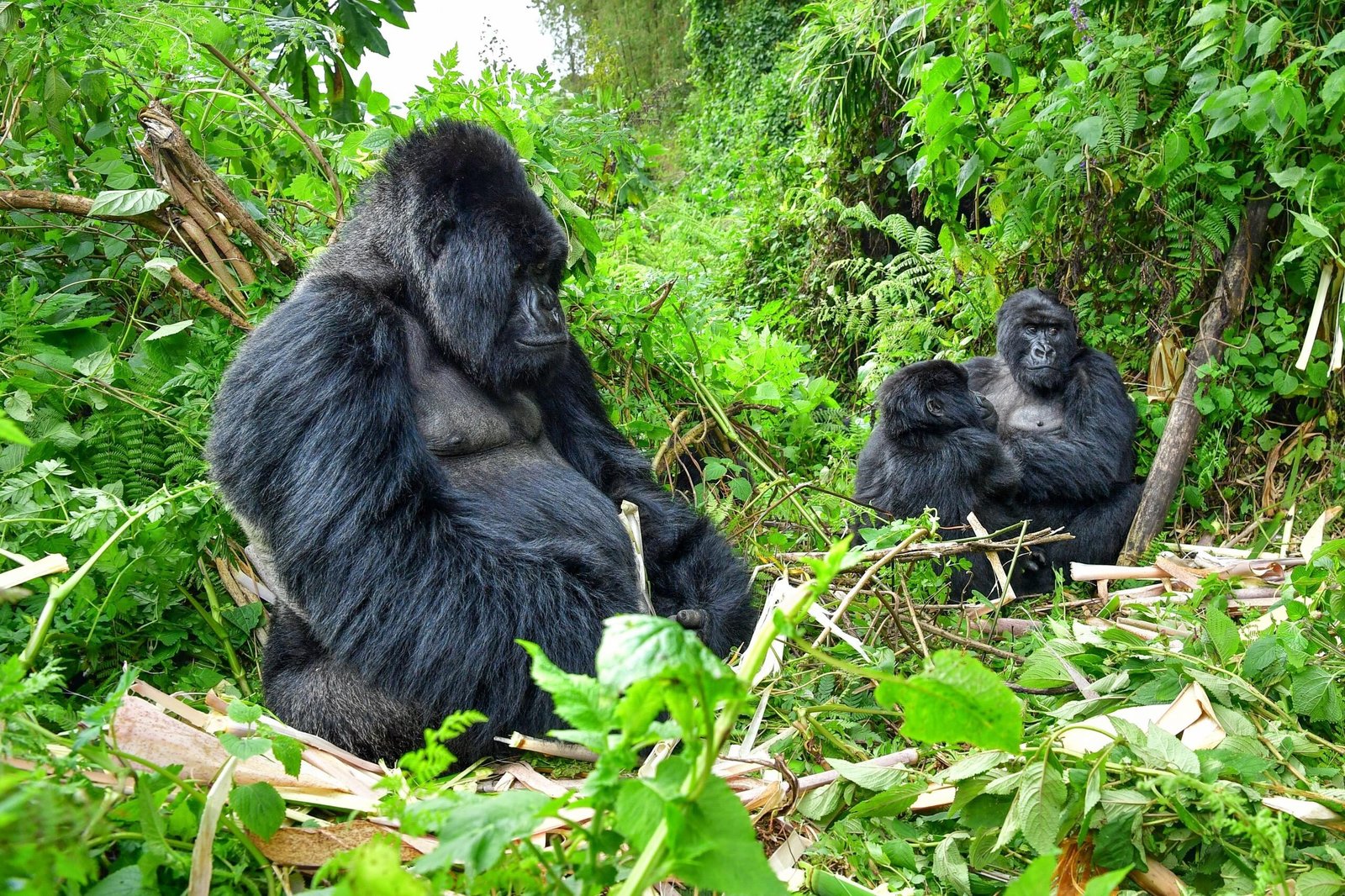
A family of Mountain gorillas in Bwindi Impenetrable- Ruhija Sector
What makes an unlimited East African bucket list different from a typical travel list? It is not about ticking off a few famous attractions. It is about exploring a region that offers wildlife, culture, beaches, mountains, history, food, and human connection on a scale that feels almost limitless. The East African Community has been actively promoting the region as a single tourism destination, making multi-country travel increasingly attractive for international visitors.
Tourism across the region has rebounded strongly. EAC tourism receipts reached US$7.7 billion in 2023, and international arrivals have continued to grow as East Africa strengthens its position as one of the world’s premier safari and adventure destinations.
Whether you have two weeks or two months, this bucket list is designed to help you dream bigger, travel deeper, and experience the very best of East Africa.
The Ultimate East African Bucket List at a Glance
| Country | Must-Do Experience |
| Uganda | Gorilla trekking in Bwindi Impenetrable National Park |
| Rwanda | Volcanoes National Park gorilla encounter |
| Kenya | Witness the Great Migration in the Maasai Mara |
| Tanzania | Explore the Serengeti and Ngorongoro Crater |
| Zanzibar | Relax on world-famous Indian Ocean beaches |
1. Trek Mountain Gorillas in Uganda
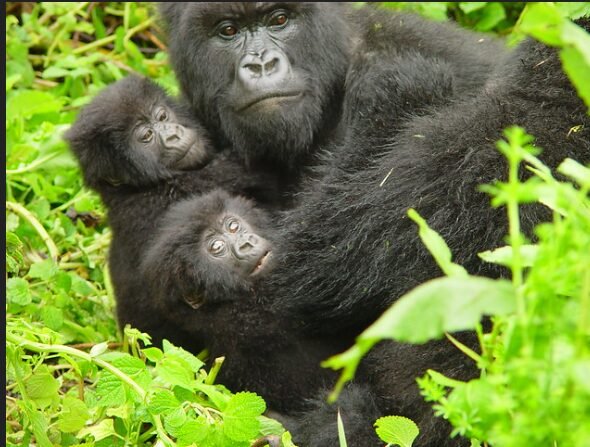
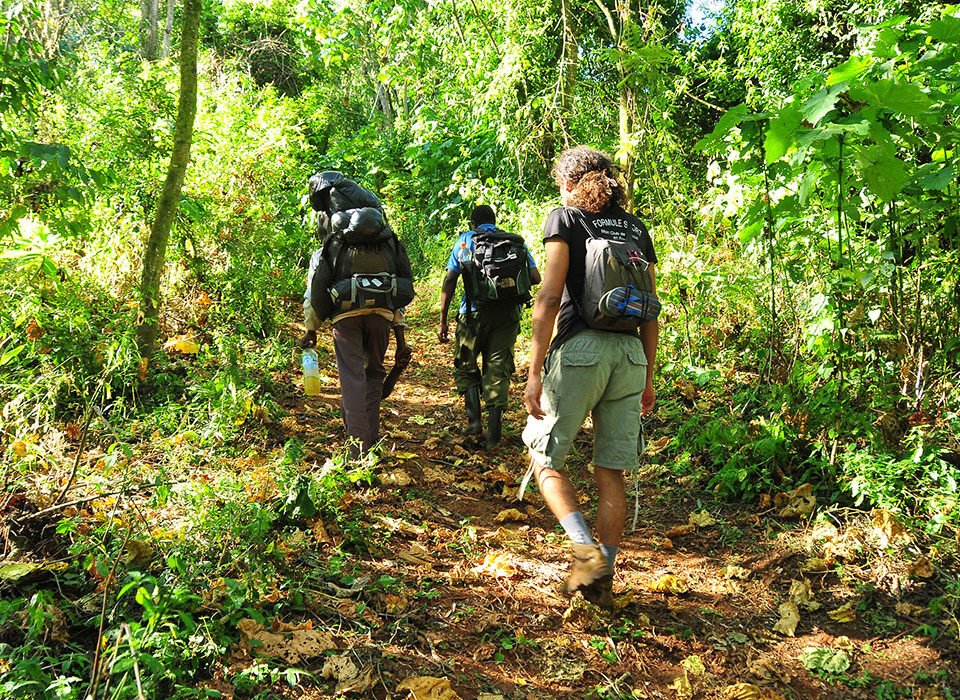
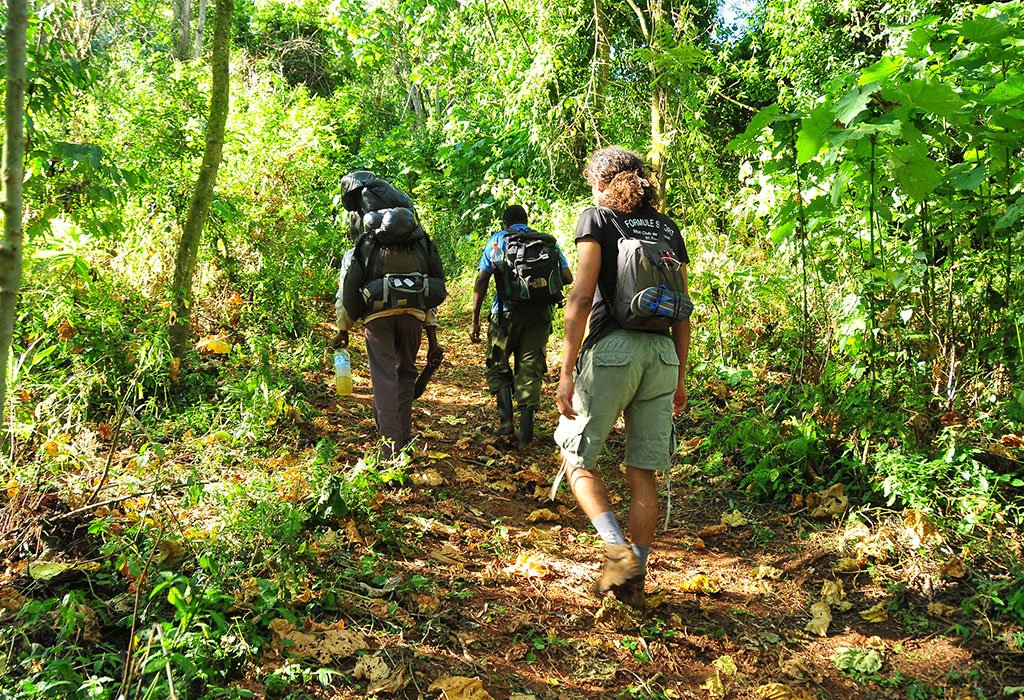
Few wildlife encounters on Earth can match the emotional intensity of gorilla trekking. Deep inside Bwindi Impenetrable National Park, small groups of visitors hike through dense rainforest to spend one precious hour with a habituated gorilla family. The experience is intimate, humbling, and unforgettable.
Uganda is home to roughly half of the world’s remaining mountain gorillas, making it one of the most important conservation destinations on the planet. The trek itself can be challenging, with steep slopes, mud, and thick vegetation, but that effort is part of the magic. When the forest suddenly falls silent and a silverback appears only a few meters away, every step feels worthwhile.
Why it belongs on every bucket list
- One of the world’s rarest wildlife encounters
- Directly supports gorilla conservation and local communities
- Combines adventure, nature, and cultural experiences in one trip
Many travelers combine gorilla trekking with Uganda’s savannah parks such as Queen Elizabeth National Park and Murchison Falls National Park for a complete safari experience.
2. Experience Rwanda Beyond Gorillas
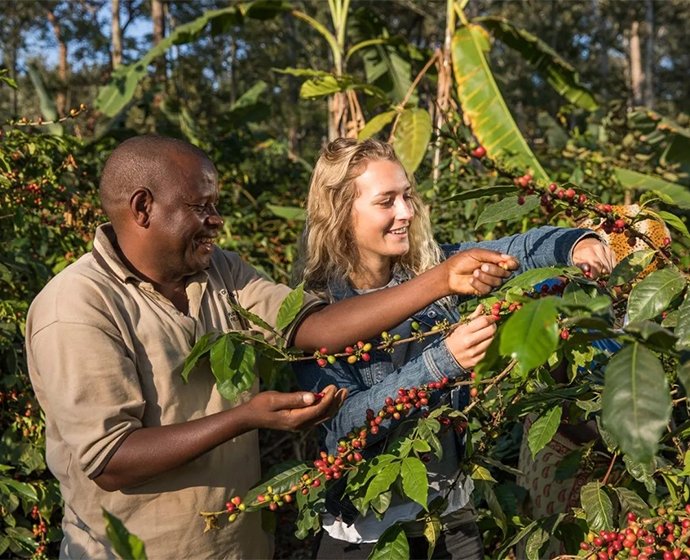
The coffee harvesting experience
Rwanda is often associated with gorilla trekking, but the country offers far more than a single attraction. The capital city, Kigali, is one of Africa’s cleanest and most organized urban centers, with excellent restaurants, coffee shops, and cultural institutions.
A visit to the Kigali Genocide Memorial provides essential historical context and a powerful reminder of Rwanda’s remarkable transformation. From there, travelers can explore the volcanic landscapes of the north, tea plantations in the countryside, and the wildlife of Akagera National Park in the east.
Rwanda is particularly appealing for travelers seeking a combination of luxury, conservation, and cultural immersion.
3. Witness the Great Migration in Kenya
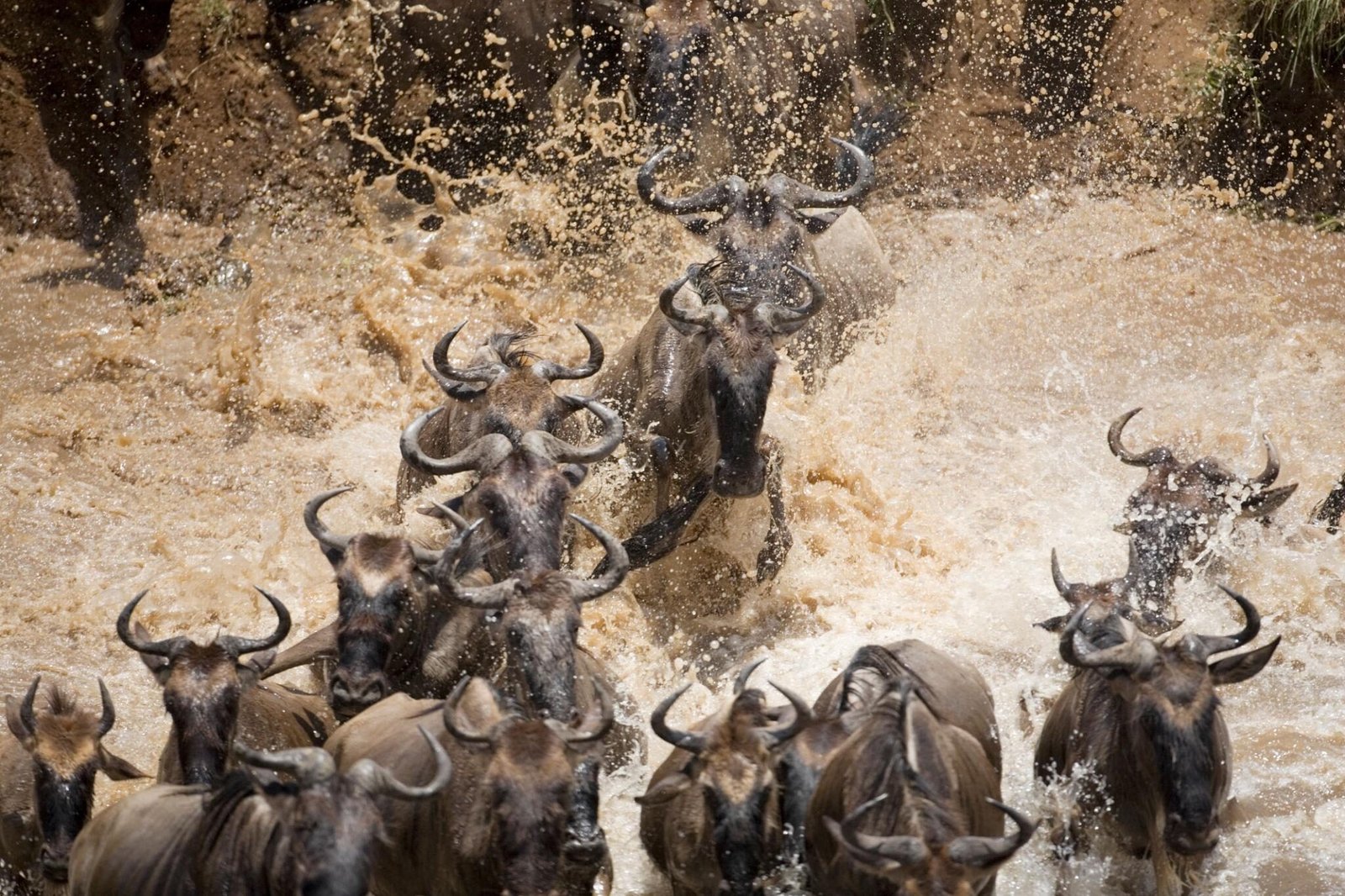
wild beasts during the migration
The Great Migration is one of the planet’s most spectacular natural events. Each year, millions of wildebeest, zebras, and gazelles move between the Serengeti in Tanzania and the Maasai Mara National Reserve in search of fresh grazing.
Seeing a river crossing in the Maasai Mara is the kind of moment that stays with you forever. The air fills with dust, the herd gathers nervously at the riverbank, crocodiles wait below, and suddenly thousands of animals surge forward. It is chaos, drama, and raw nature on an epic scale.
Kenya’s safari infrastructure is among the best in Africa, making it relatively easy to access world-class wildlife viewing.
Best times to visit
| Season | What to Expect |
| July–October | Peak migration and river crossings |
| January–March | Excellent wildlife viewing and fewer crowds |
| April–June | Greener landscapes and lower prices |
4. Explore Tanzania’s Legendary Parks
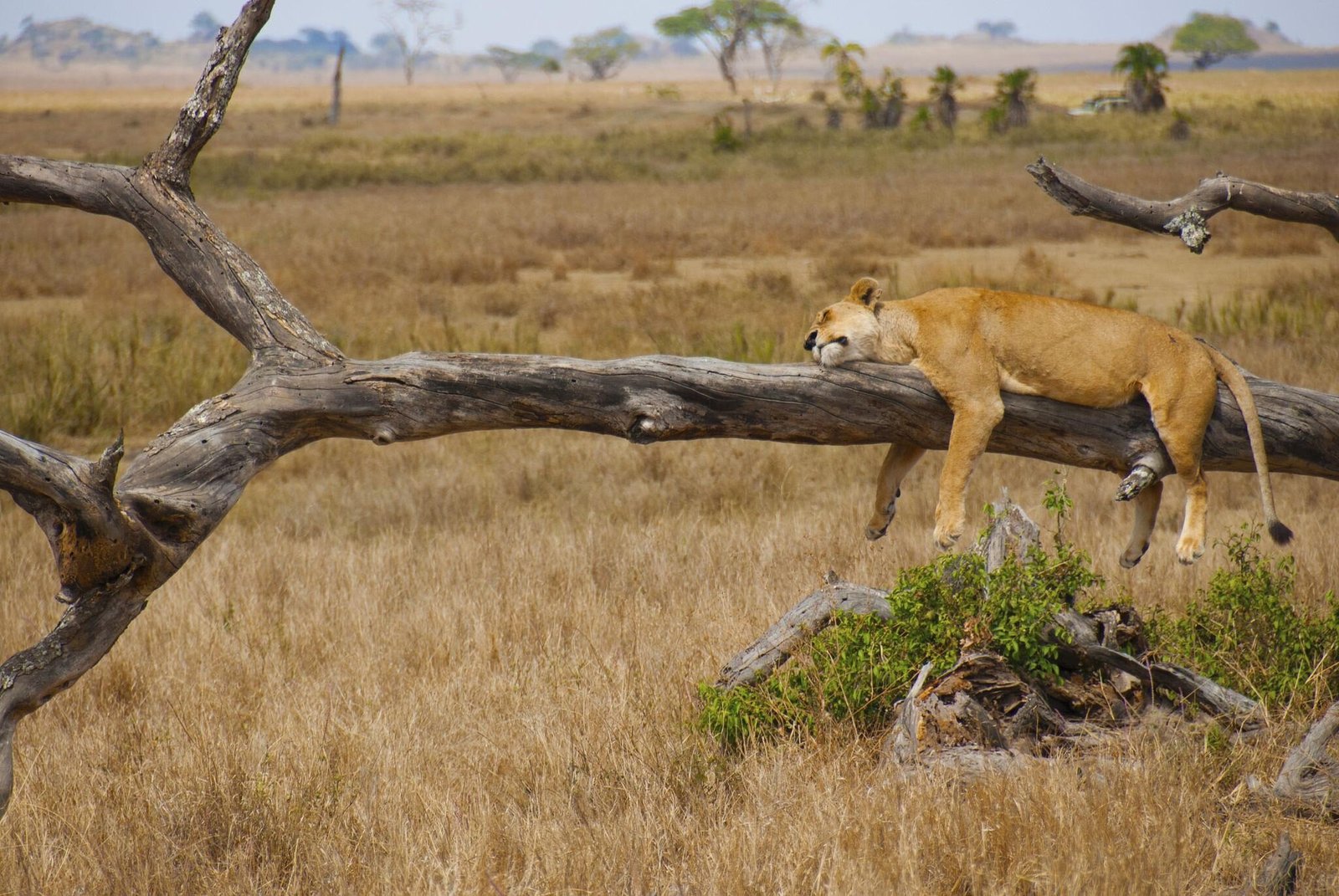
Tanzania is the heavyweight champion of classic safari destinations. The northern circuit—Serengeti National Park, Ngorongoro Crater, Tarangire National Park, and Lake Manyara National Park—offers an astonishing diversity of landscapes and wildlife.
The Ngorongoro Crater feels almost unreal: a collapsed volcanic caldera packed with lions, elephants, buffalo, rhinos, and flamingos. The Serengeti delivers endless plains and predator action, while Tarangire is famous for giant elephant herds and baobab trees.
For many travelers, Tanzania represents the quintessential African safari experience.
5. Climb Mount Kilimanjaro
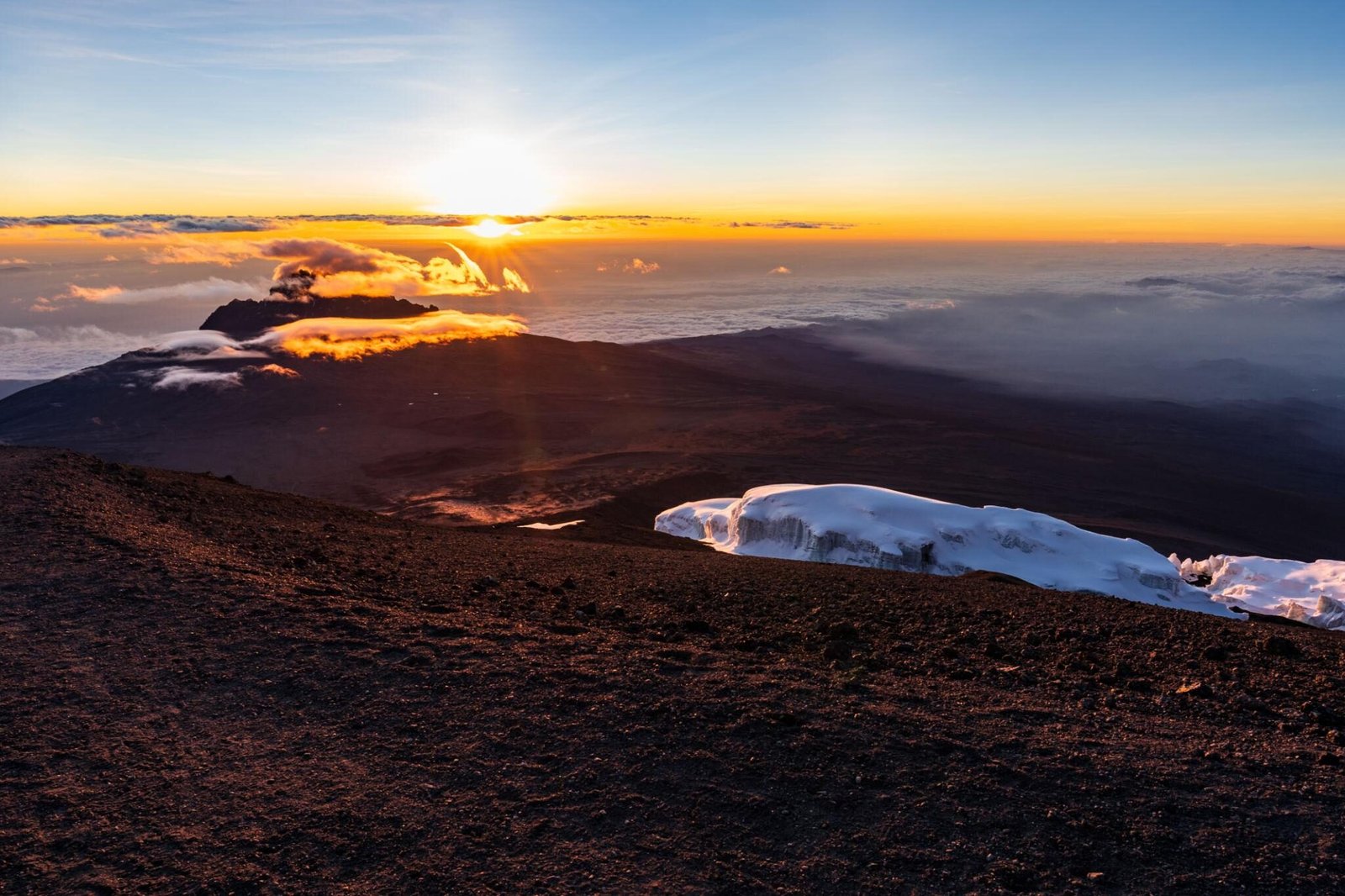
view from Mt Kirimanjaro
At 5,895 meters (19,341 feet), Mount Kilimanjaro is Africa’s highest peak and the world’s tallest free-standing mountain. Unlike many major summits, it does not require technical climbing skills, making it accessible to determined trekkers.
The journey passes through rainforest, heath, alpine desert, and finally the icy summit zone. Reaching Uhuru Peak at sunrise is both physically demanding and deeply rewarding.
Kilimanjaro is more than a mountain; it is a personal challenge and a life achievement.
6. Relax on the Beaches of Zanzibar
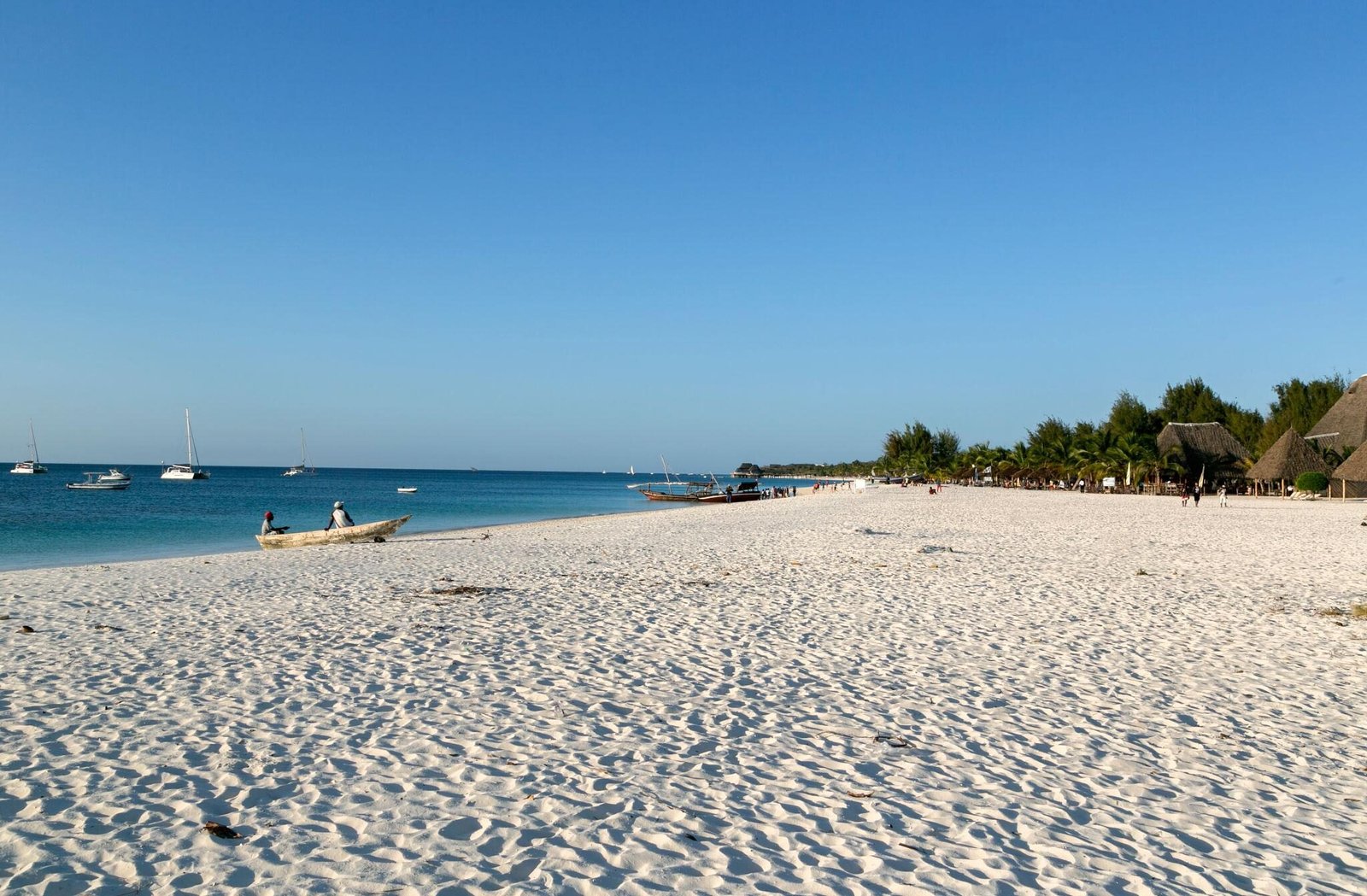
the cost
After days of safari and trekking, Zanzibar offers the perfect contrast. White-sand beaches, turquoise water, spice plantations, and the historic alleys of Stone Town create a completely different East African experience.
Snorkeling, diving, dhow sailing, and seafood feasts are all part of the island rhythm. Zanzibar works beautifully as either a standalone beach holiday or a post-safari extension.
7. Discover Uganda’s Wildlife Beyond Gorillas
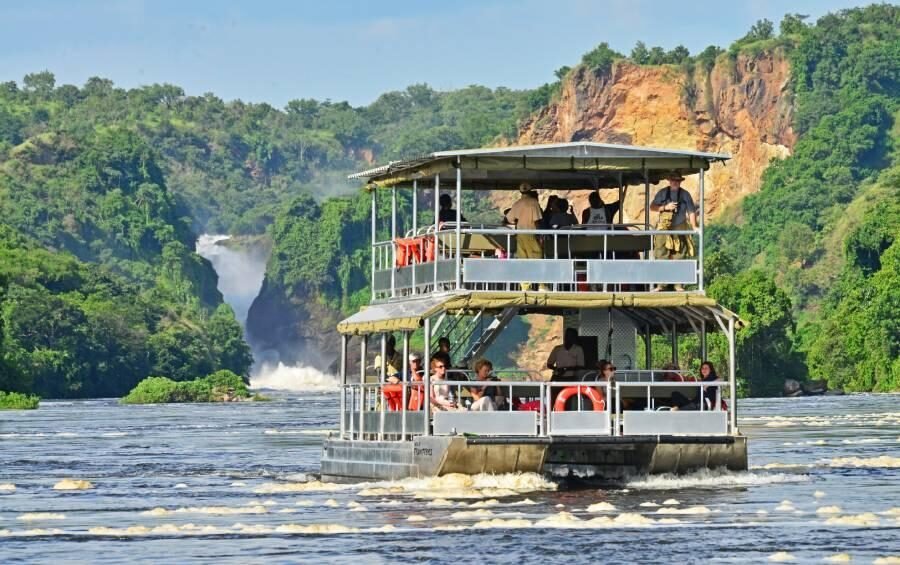
boat cruise at the bottom of the falls at murchison falls
Uganda is often called the Pearl of Africa for good reason. Beyond gorillas, the country offers chimpanzee tracking in Kibale National Park, tree-climbing lions in Queen Elizabeth National Park, and the thunderous power of Murchison Falls.
What makes Uganda special is the combination of rainforest, savannah, lakes, and mountain scenery in a relatively compact area. It is one of the few countries where you can see gorillas, chimpanzees, lions, elephants, hippos, and spectacular waterfalls on a single itinerary.
8. Meet the Maasai and Other East African Cultures
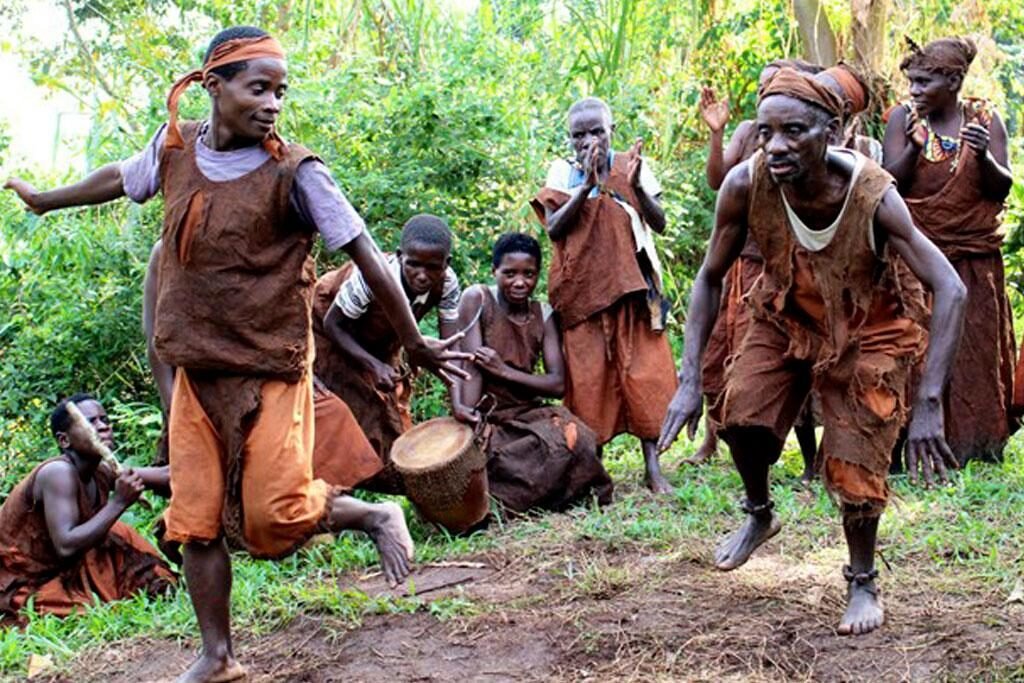
Batwa cultural experience in Bwindi Impenetrable
Wildlife may draw people to East Africa, but the region’s cultures often leave the deepest impression. The Maasai are among the most recognized communities, known for their distinctive clothing, traditions, and pastoral lifestyle.
Across Uganda, Rwanda, Kenya, and Tanzania, travelers can visit local markets, coffee cooperatives, craft workshops, and community tourism projects. These encounters provide a richer understanding of the region than wildlife alone ever could.
9. Track Chimpanzees in the Rainforest
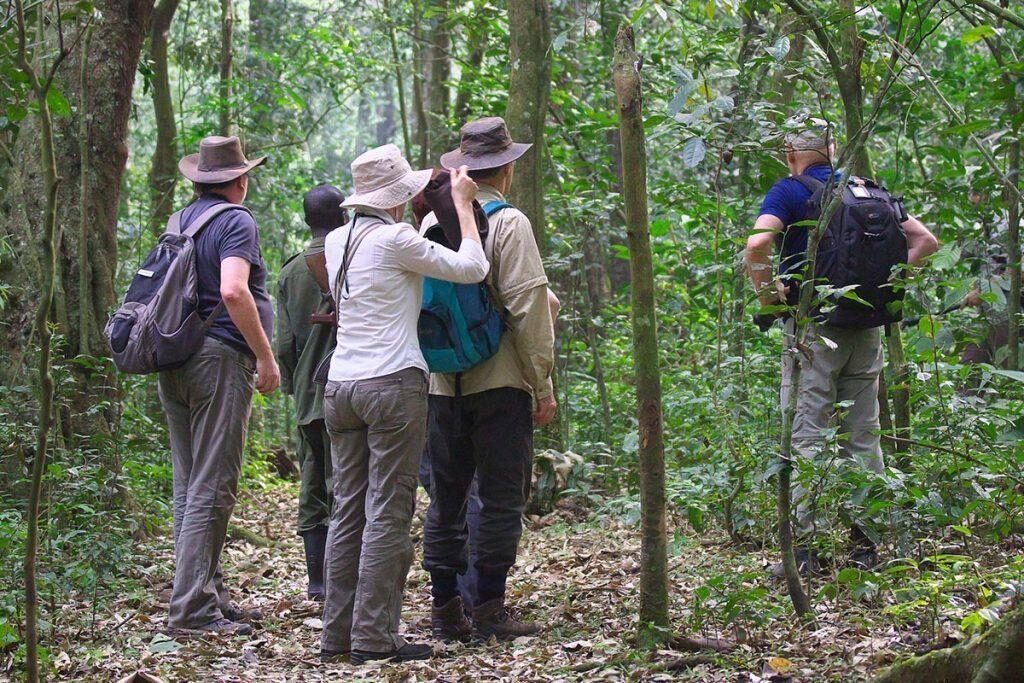
Chimpanzee tracking is one of East Africa’s most underrated experiences. In places such as Kibale National Park, visitors follow guides into the forest to locate habituated chimpanzee groups.
Unlike gorillas, chimps are energetic, vocal, and constantly moving through the trees. Their calls echo through the forest, creating an atmosphere that feels both wild and strangely familiar.
For primate enthusiasts, combining gorilla and chimpanzee trekking creates an exceptional conservation-focused journey.
10. Chase Big Cats Across the Plains
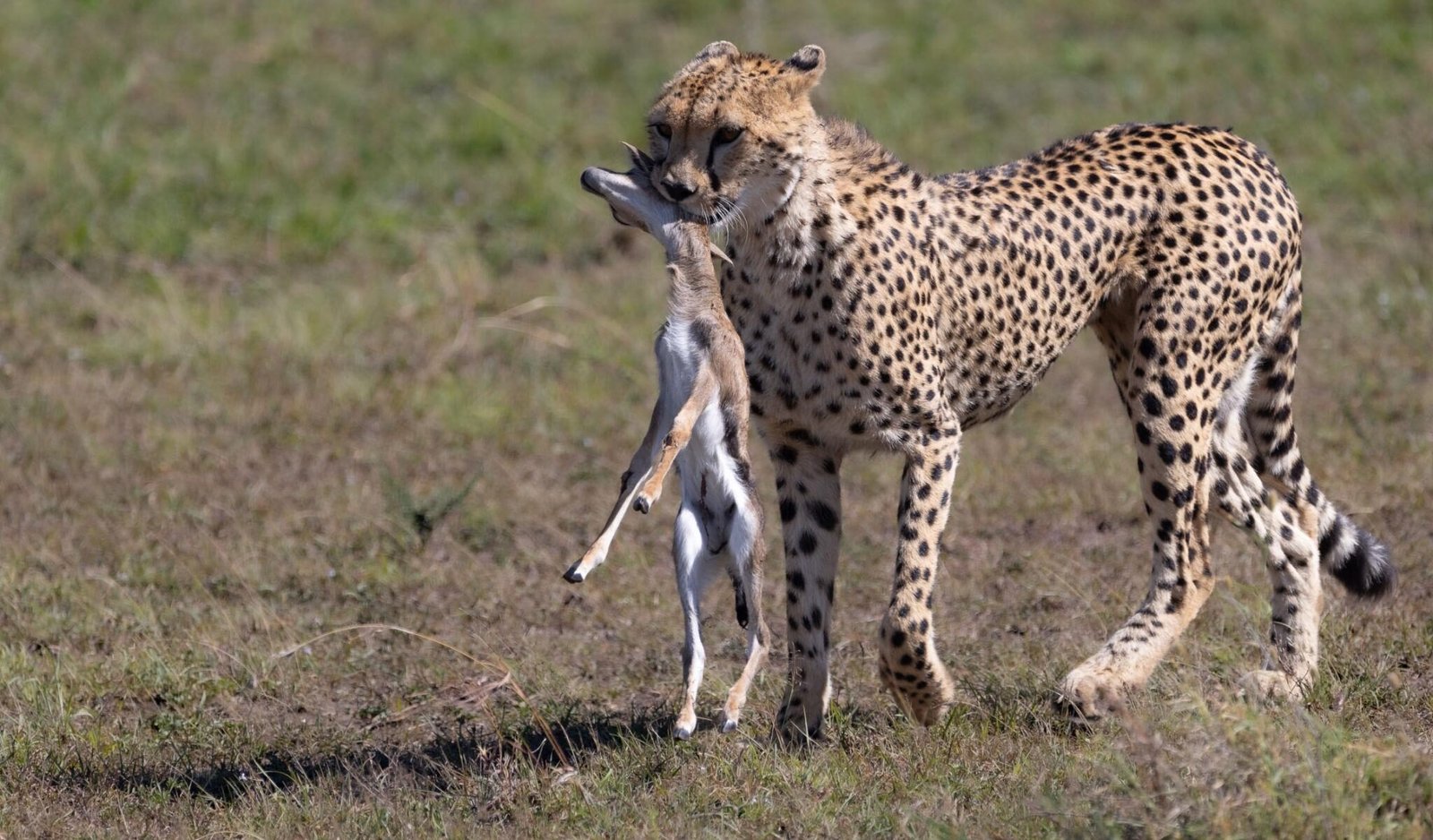
East Africa is one of the world’s premier destinations for big-cat sightings. Lions, cheetahs, and leopards thrive across the Serengeti-Mara ecosystem and several other parks.
Watching a lion pride at sunrise or a cheetah scanning the plains is the kind of wildlife encounter that makes safari photography addictive. Predators are never guaranteed, but the region consistently delivers some of the best big-cat viewing on Earth.
11. Experience a Balloon Safari
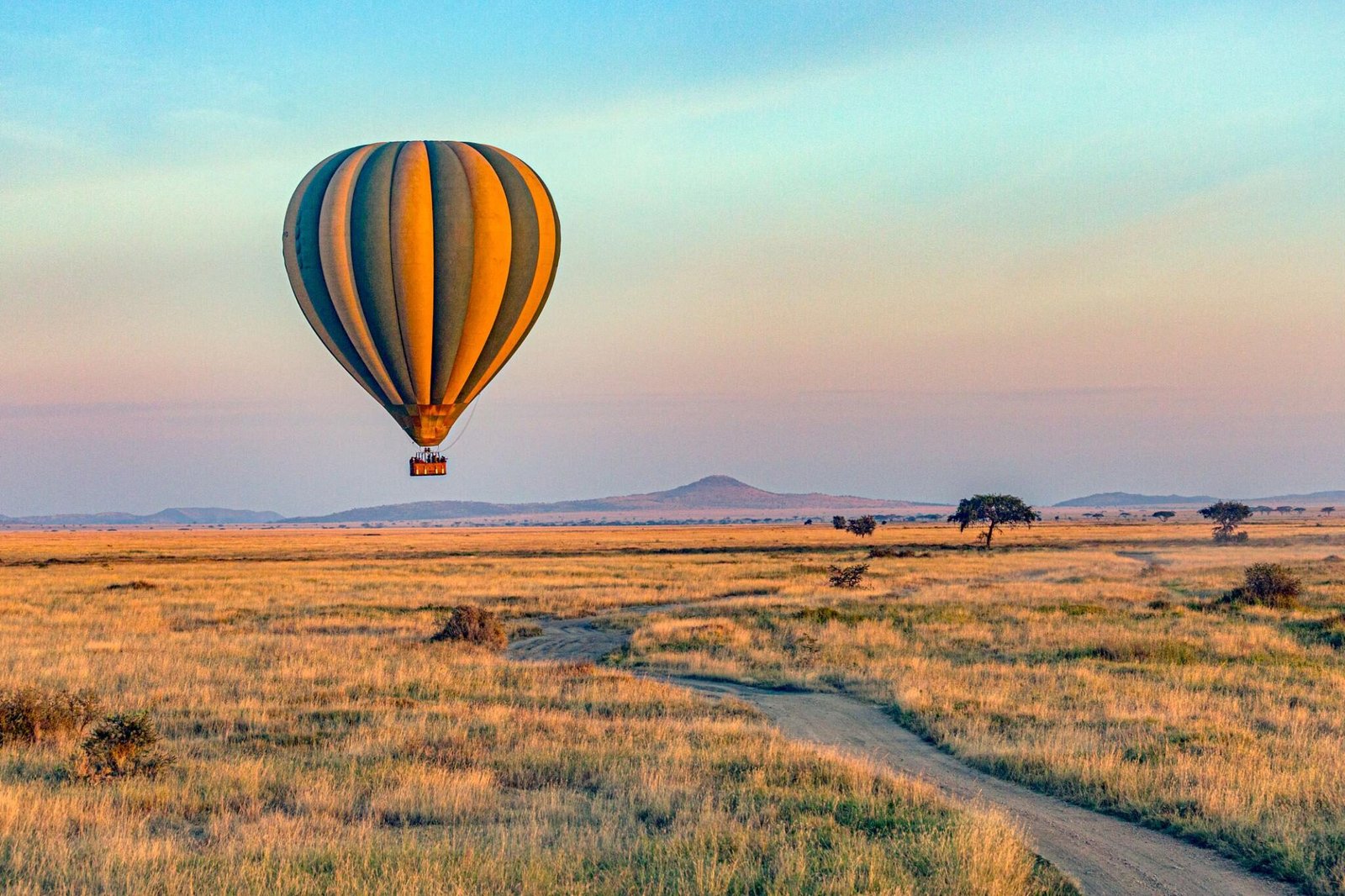
A hot-air balloon safari over the Serengeti or Maasai Mara transforms the landscape into a living painting. Floating silently above the plains at sunrise offers a perspective that ground vehicles cannot match.
Balloon flights are typically followed by a champagne breakfast in the bush, making them one of the most memorable luxury experiences in East Africa.
12. Go Birding in the Great Rift Valley
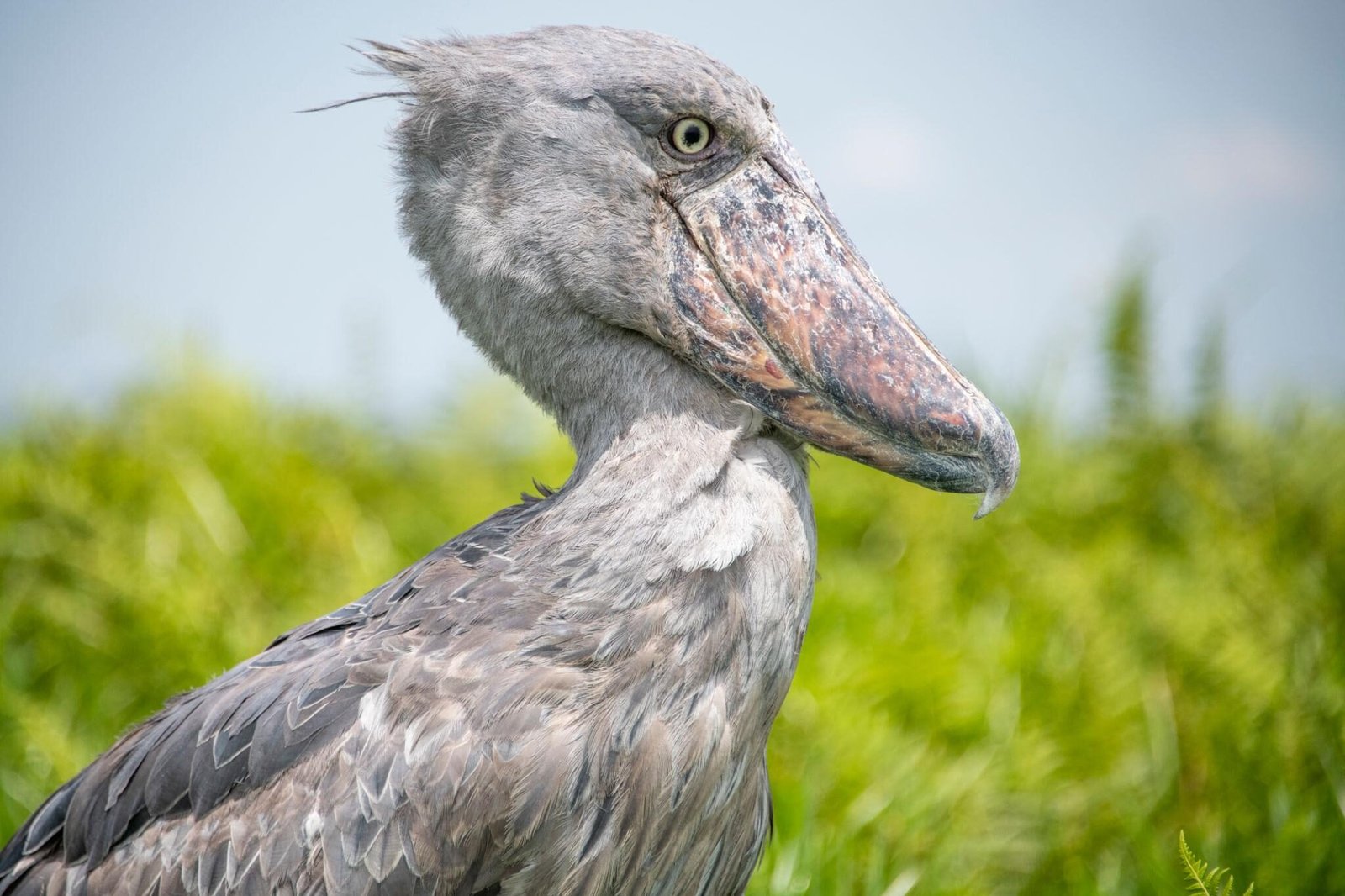
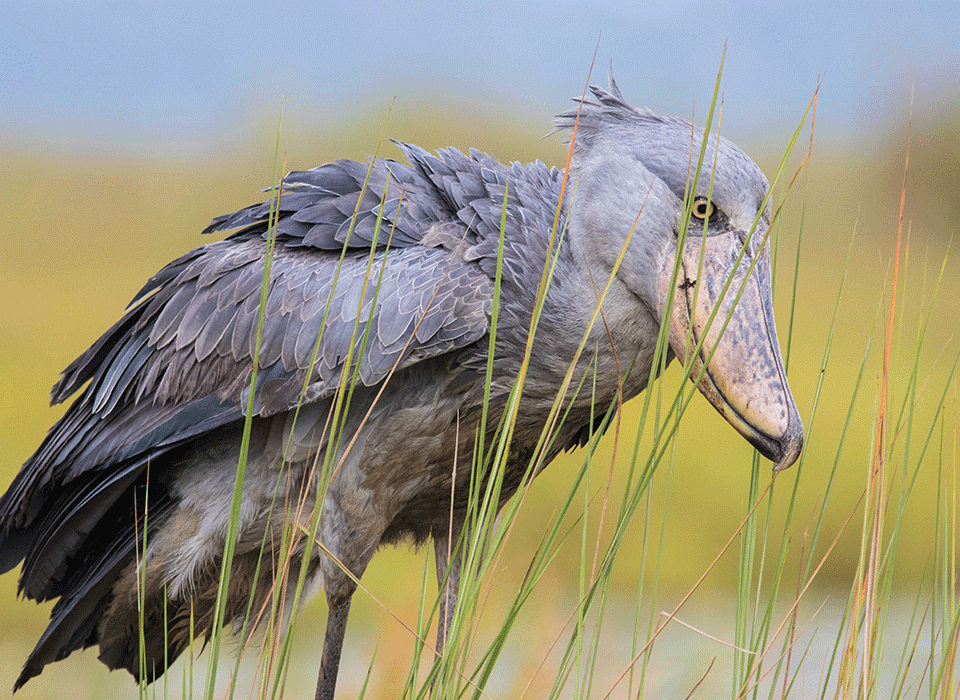
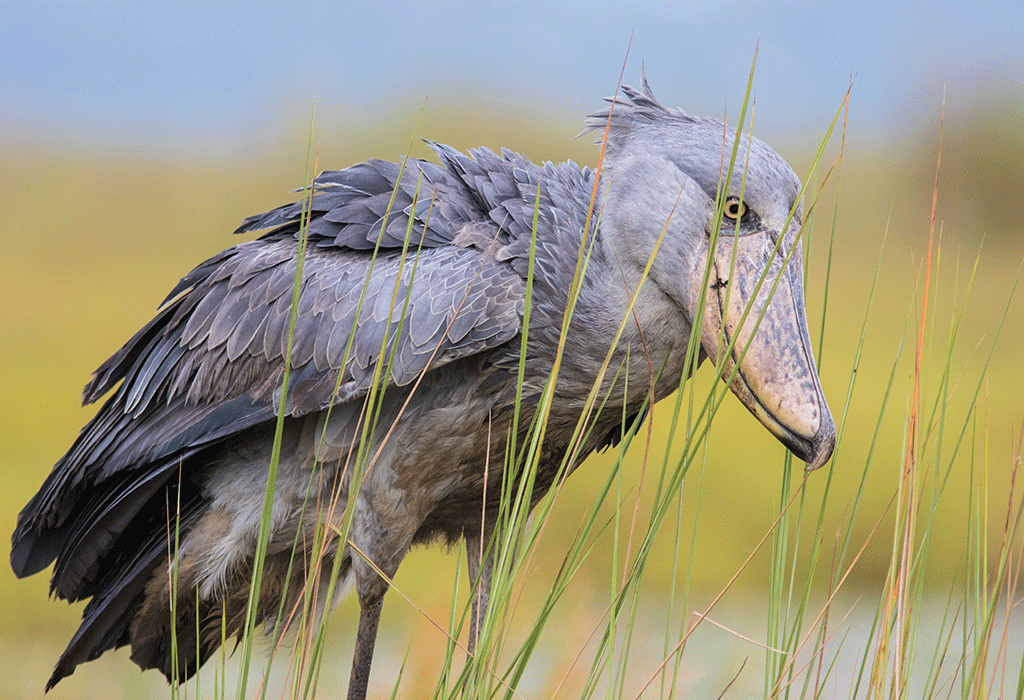
the Shoe Bill at Mabamba Swamp in Uganda
East Africa is a paradise for birders. The Great Rift Valley lakes attract flamingos and countless waterbirds, while Uganda’s wetlands offer the chance to see the prehistoric-looking shoebill stork.
Even travelers who are not dedicated birders are often surprised by the region’s incredible avian diversity.
13. Visit the Source of the Nile
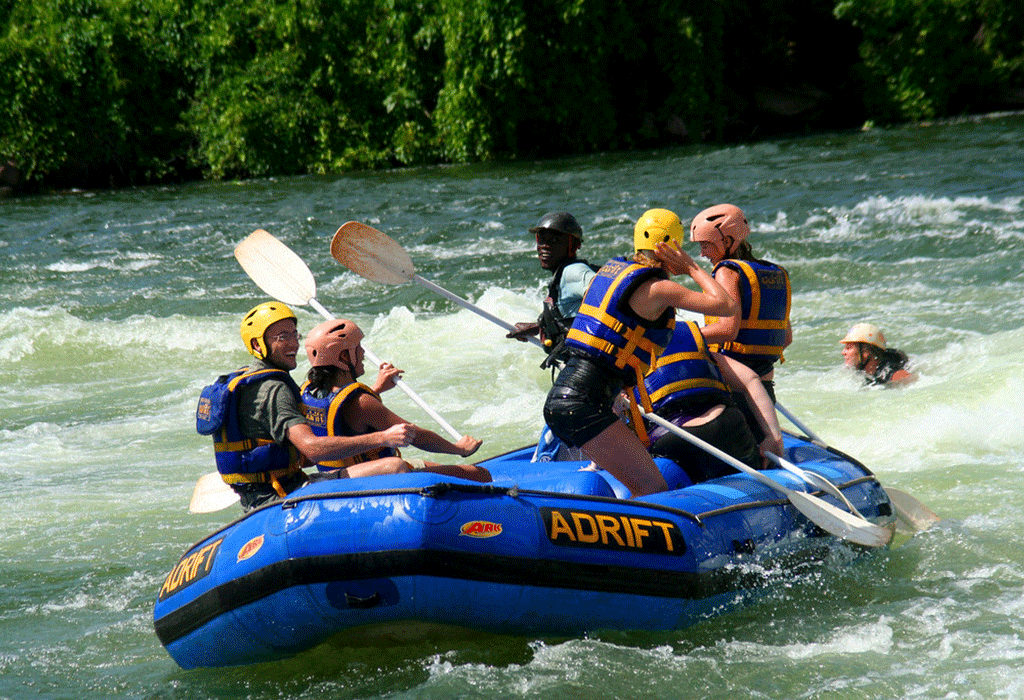
In Jinja, the Nile begins its long journey north from Lake Victoria. The area combines history, river scenery, and adventure activities such as white-water rafting, kayaking, and boat cruises.
Standing at the source of one of the world’s most famous rivers is a surprisingly meaningful experience, especially for travelers interested in geography and History.
14. Take a Boat Safari
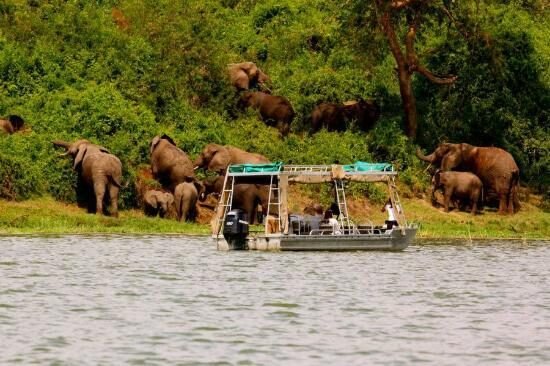
Boat safaris offer a completely different perspective from traditional game drives. The Kazinga Channel is famous for dense concentrations of hippos, crocodiles, elephants, and birds, while the Nile boat cruise below Murchison Falls provides dramatic scenery and wildlife viewing.
In Tanzania and Rwanda, river and lake safaris add another dimension to the safari experience.
15. Explore East Africa’s Volcanoes
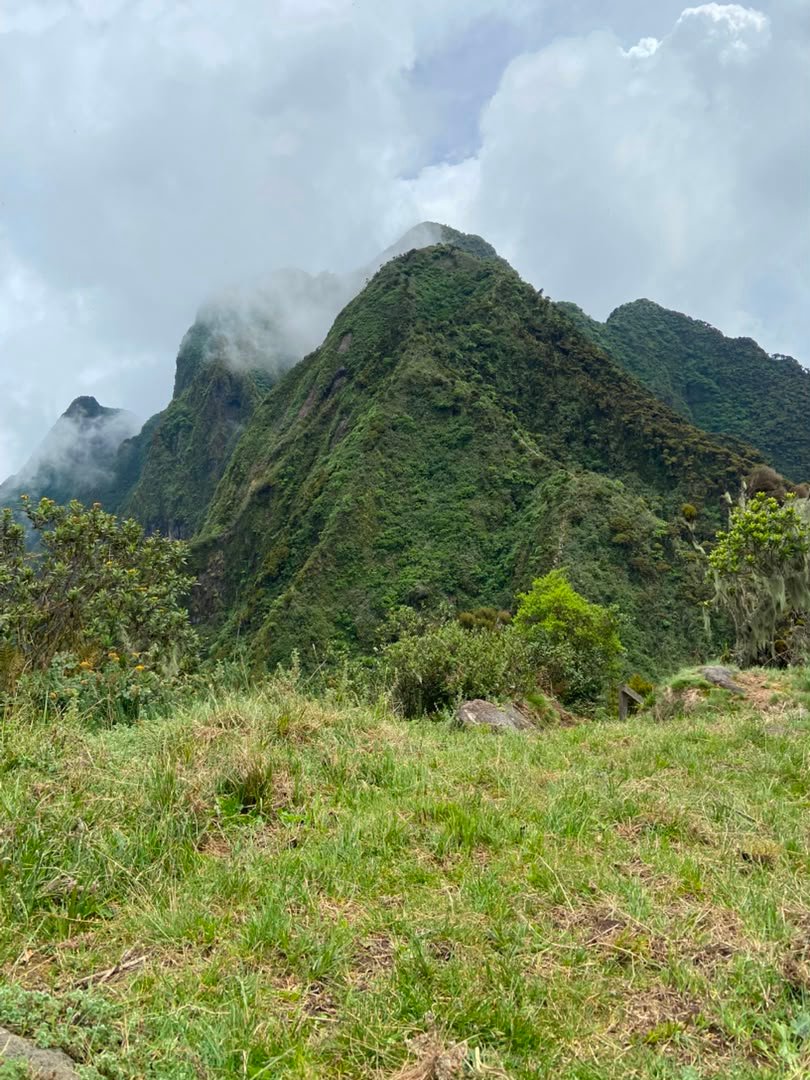
view of the second peak on Mt Sabinyo in Uganda on Mufimbira Ranges
The volcanic landscapes of East Africa are spectacular. The Virunga range spans Rwanda, Uganda, and the Democratic Republic of Congo, creating dramatic scenery for trekking and wildlife viewing.
Even if you do not summit a volcano, simply exploring these highland regions offers cooler temperatures, beautiful views, and unique ecosystems.
16. Photograph the Endless Plains
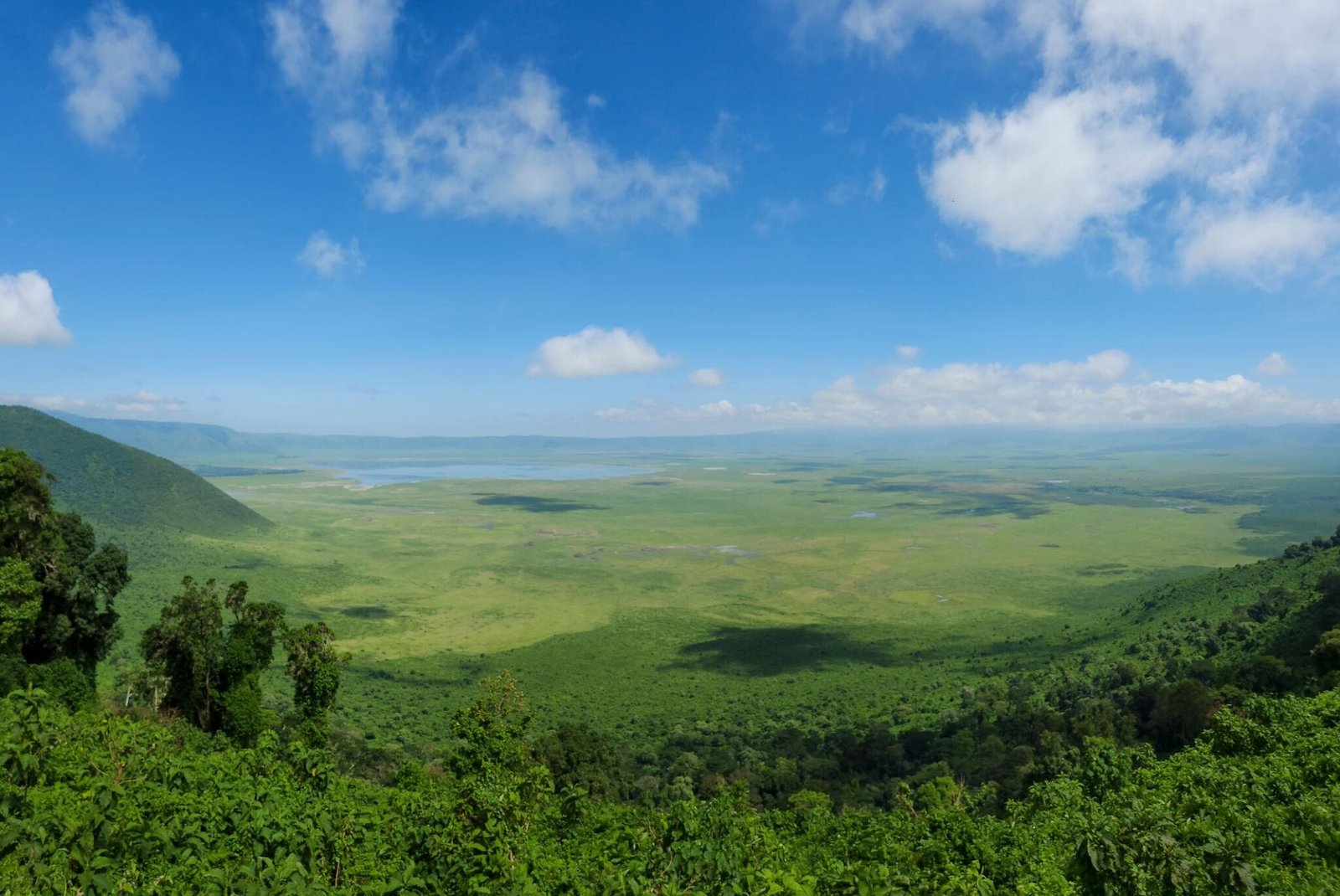
Few places reward photographers like East Africa. Golden light, dramatic skies, wildlife, and cultural scenes create endless opportunities for memorable images.
Whether you use a smartphone or professional camera, the region’s landscapes often feel as though they were designed specifically for photography.
17. Taste East African Cuisine
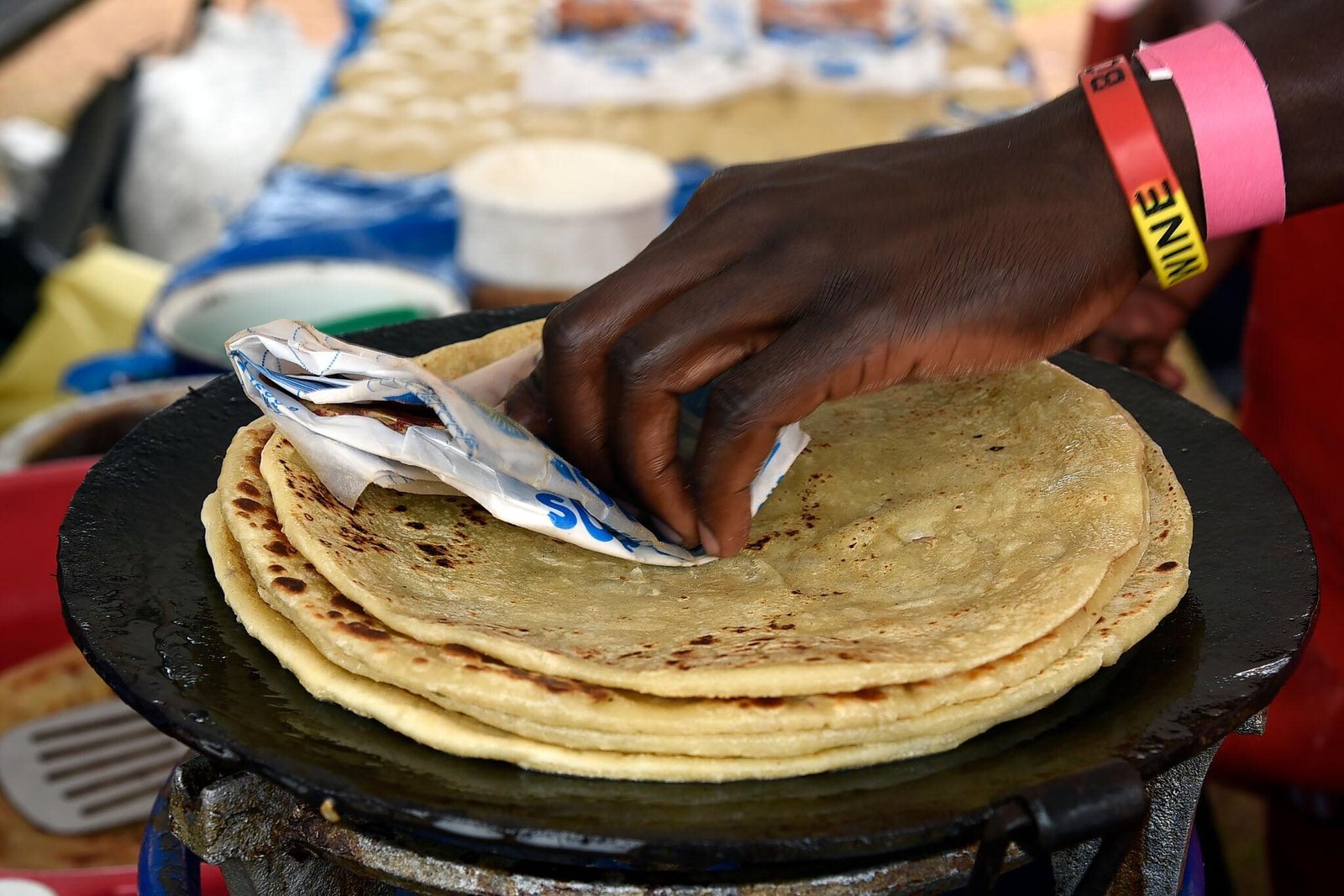
ugandan chapatti
Traveling through East Africa is also a culinary journey. Try a Ugandan rolex (an omelet rolled in chapati), Rwandan coffee, Kenyan nyama choma (grilled meat), and Zanzibar’s seafood curries and spice-infused dishes.
Food provides one of the easiest ways to connect with local culture, and every country in the region has its own specialties.
18. Travel Slowly Through the Region
The biggest mistake many travelers make is trying to see everything too quickly. East Africa rewards slow travel. Spend time in local communities, watch sunsets without rushing, and leave room for unexpected experiences.
Some of the best memories come from moments that never appear in guidebooks: conversations with guides, roadside fruit stands, village football matches, or a quiet evening overlooking a lake.
Planning Your Unlimited East African Adventure
Suggested multi-country route (3–4 weeks)
- Uganda (7–10 days): Gorillas, chimpanzees, and classic safari parks.
- Rwanda (3–5 days): Kigali, Volcanoes National Park, and cultural experiences.
- Kenya (5–7 days): Maasai Mara and Nairobi.
- Tanzania (7–10 days): Serengeti, Ngorongoro, and Zanzibar.
Typical budget ranges
| Travel Style | Approximate Range (per person) |
| Budget | US$80–150/day |
| Mid-range | US$250–500/day |
| Luxury | US$700+ per day |
Gorilla permits are typically an additional major cost.
Gorilla permits are typically an additional major cost and should be booked well in advance.
Best overall travel windows
| Period | Why go |
| June–October | Dry season, excellent wildlife viewing |
| December–February | Good weather in many areas, strong safari conditions |
| March–May | Greener landscapes, fewer tourists, lower prices in some destinations |
Conclusion
The beauty of an unlimited East African bucket list is that it never truly ends. You might start with gorillas, add a safari, then discover beaches, volcanoes, coffee farms, cultural festivals, and remote landscapes you had never heard of before. The region rewards curiosity and invites repeat visits.
East Africa is not simply a destination for wildlife lovers. It is a place where nature, culture, history, and adventure intersect in remarkable ways. Whether you spend a week in Uganda or months traveling across Uganda, Rwanda, Kenya, and Tanzania, you will leave with the feeling that there is still more to see—and that may be the strongest reason to return.
For travelers seeking a truly expansive bucket list, East Africa offers something rare: a region where every journey feels like the beginning of another one. The only real limit is how much time you are willing to give to the adventure.
I don’t Think We have meet
At Secret Paradise Adventure, we believe every journey should feel personal, meaningful, and unforgettable. We’re not a big corporate travel company. We’re a local Ugandan team that grew from a genuine love for exploring our country and sharing its hidden beauty with others.
How It All Started
The story begins with Gerard, our co-founder. Long before Secret Paradise Safaris existed, Gerard spent his free time traveling across Uganda visiting national parks, meeting local communities, discovering quiet landscapes, and learning the stories behind each place. What started as a personal passion soon became something bigger. Friends and visitors would ask him to help plan trips because they trusted his knowledge, honesty, and enthusiasm.
Gerard realized that many travelers only saw the famous destinations while missing the authentic experiences that make Uganda special. He wanted to create a company that would connect people with the real Uganda—the hidden waterfalls, the warm communities, the wildlife, and the moments that stay with you long after the trip ends.
Why We Do What We Do
Secret Paradise Adventure was built on the idea that travel is about more than moving from one place to another. It’s about connection, discovery, and creating memories that matter. We work with local guides, support local communities, and design experiences that reflect the heart of Uganda.
Today, Gerard continues to lead with the same passion that started this journey. Every itinerary, every recommendation, and every adventure is shaped by years of firsthand experience and a deep love for our country.
Our Promise
When you travel with Secret Paradise Adventure, you’re not just booking a tour. You’re joining a team that truly cares about your experience and wants you to see Uganda through the eyes of people who call it home.
We may be a local company, but our mission is simple: to help travelers discover the secret paradise that inspired us in the first place.
Frequently Asked Questions
1. How many countries should I include on a first East Africa trip?
For a first visit, 2–3 countries is often ideal. A popular combination is Uganda (gorillas and wildlife), Rwanda (culture and mountains), and either Kenya or Tanzania for a classic safari. Trying to cover all four major countries in a short trip can feel rushed.
2. Is East Africa safe for tourists?
Millions of tourists visit East Africa every year. As with travel anywhere, safety depends on the destination, current conditions, and common-sense precautions. Travelers should check official government travel advisories, use reputable tour operators, and follow local guidance.
3. What is the best month for gorilla trekking?
Gorilla trekking is available year-round, but many travelers prefer the dry seasons (June–September and December–February) because trails are generally less muddy and hiking conditions are easier.
4. How expensive is an East African safari?
Costs vary widely. Budget safaris can start around US$100–150 per day, while luxury safaris may exceed US$1,000 per day. Gorilla permits are typically a significant additional expense and should be planned for separately.
5. Can I combine safari and beach holidays in one trip?
Absolutely. One of the most popular East African itineraries combines a safari in Tanzania or Kenya with a beach stay in Zanzibar. This mix of wildlife and relaxation is a classic bucket-list experience.