Uganda Gorilla Trekking Cost in 2026
Uganda gorilla trekking remains one of the most sought-after wildlife experiences on Earth. Every year, thousands of travelers journey into the mist-covered forests of southwestern Uganda to encounter endangered mountain gorillas in their natural habitat. The experience is unforgettable, emotional, and unlike any traditional safari. Yet one question consistently comes up before travelers book their adventure: How much does gorilla trekking in Uganda cost?
The answer depends on several factors including permit fees, transportation, accommodation, travel season, and personal preferences. While gorilla trekking is not the cheapest wildlife activity in Africa, Uganda continues to offer significantly better value than many competing destinations. Travelers can experience the same mountain gorillas found elsewhere in East Africa while often paying hundreds of dollars less for permits and tour packages.
Understanding the true cost requires looking beyond the permit itself. Many first-time visitors focus only on the permit fee and overlook transportation, accommodation, porter services, meals, and optional activities. By understanding every component, you can create a realistic budget and avoid surprises. Whether you are a backpacker seeking an affordable adventure or a luxury traveler looking for exclusive experiences, Uganda offers options for nearly every budget.
Understanding Gorilla Trekking in Uganda
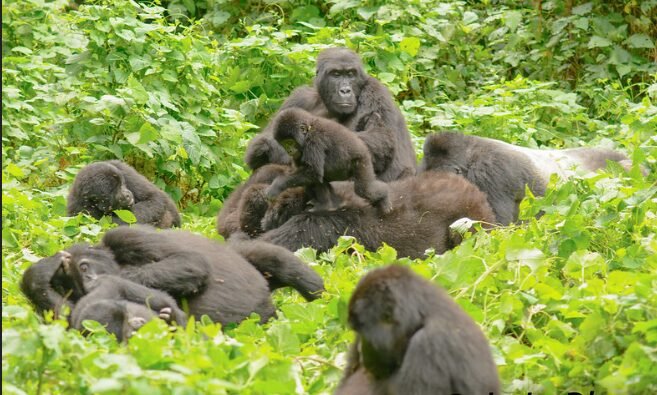
habituated family of gorillas in Nkuringo sector of Bwindi Impenetrable National Park
Gorilla trekking involves hiking through dense tropical forests to locate a habituated family of mountain gorillas. Uganda hosts nearly half of the world’s remaining mountain gorilla population, making it one of the most important conservation destinations globally. The activity takes place primarily in Bwindi Impenetrable National Park and Mgahinga Gorilla National Park, both located in southwestern Uganda.
The trek itself can last anywhere from one hour to several hours depending on where the gorilla family is located on a particular day. Rangers and trackers move ahead early each morning to locate gorilla groups before visitors begin hiking. Once found, tourists are allowed one magical hour observing the gorillas from a safe distance.
What makes the experience so special is the remarkable similarity between gorillas and humans. Watching young gorillas play, mothers care for infants, and dominant silverbacks monitor their families creates an emotional connection few wildlife encounters can match. Many travelers describe their first gorilla encounter as life-changing.
Because mountain gorillas are critically protected animals, visitor numbers are strictly controlled. This limitation helps preserve the species while ensuring tourism contributes directly to conservation efforts. The permit system forms the foundation of this conservation strategy and represents the largest single cost for most visitors.
Gorilla Trekking Permit Costs in Uganda
The gorilla permit is mandatory for every trekker. Current Uganda Wildlife Authority rates valid through much of 2026 place the standard permit at $800 for Foreign Non-Residents, $700 for Foreign Residents, and UGX 300,000 for East African Citizens. These fees grant visitors one hour with a habituated gorilla family under the supervision of trained rangers.
Gorilla Permit Price Comparison
| Visitor Category | Permit Cost |
| Foreign Non-Resident | $800 |
| Foreign Resident | $700 |
| Rest of Africa (where applicable) | $500 |
| East African Citizen | UGX 300,000 |
The permit fee covers more than simply access to the gorillas. It includes park entry, ranger services, conservation contributions, tracking operations, security, and community development funding. Significant portions of permit revenue support anti-poaching activities and local communities living near gorilla habitats.
Many travelers initially experience sticker shock when they see the permit cost. Yet when you understand that mountain gorillas require intensive protection, veterinary monitoring, habitat preservation, and ranger patrols, the fee becomes easier to appreciate. Without tourism revenue, conservation efforts would face enormous challenges.
Gorilla Habituation Experience Costs
For travelers seeking a deeper experience, Uganda offers the Gorilla Habituation Experience. Unlike standard trekking, which allows one hour with fully habituated gorillas, habituation permits allow visitors to spend up to four hours with gorillas undergoing the habituation process. Permit prices are approximately $1,800 for foreign non-residents.
This experience is available only in specific sectors of Bwindi Impenetrable National Park. Participants accompany researchers, conservationists, and trackers as they gradually help gorillas become accustomed to human presence. The result is a far more immersive wildlife encounter.
Wildlife photographers particularly appreciate the habituation experience because it provides extended opportunities to observe gorilla behavior. Researchers and wildlife enthusiasts also value the deeper educational component. You gain insights into gorilla social structures, conservation challenges, and scientific research that standard treks cannot provide.
The higher cost may seem substantial, but many travelers who have experienced both options consider habituation one of the finest wildlife experiences available anywhere in Africa.
Complete Uganda Gorilla Trekking Cost Breakdown
While the permit is the largest expense, it is only one piece of the overall budget puzzle. Transportation, accommodation, meals, tips, and logistics all influence your final spending.
Transportation Costs
Traveling from Kampala or Entebbe to Bwindi can be done by road or domestic flight. Road transfers typically require 8–10 hours and can cost anywhere from $100 to $500 depending on whether transportation is shared or private. Domestic flights to nearby airstrips significantly reduce travel time but increase costs considerably.
For groups, transportation expenses often become more affordable because vehicle costs are shared among several travelers. Solo travelers typically pay more per person due to private vehicle requirements.
Accommodation Costs
Accommodation options around Bwindi and Mgahinga vary dramatically. Budget lodges may cost $30–$60 per night, while luxury eco-lodges can exceed $1,000 per night. Most travelers fall somewhere in the middle, selecting comfortable lodges ranging from $100–$300 per night.
Location matters. Lodges close to trekking sectors reduce transfer times and make early morning departures easier. Many lodges also include meals and transport assistance, creating better overall value.
Meals, Porters, and Tips
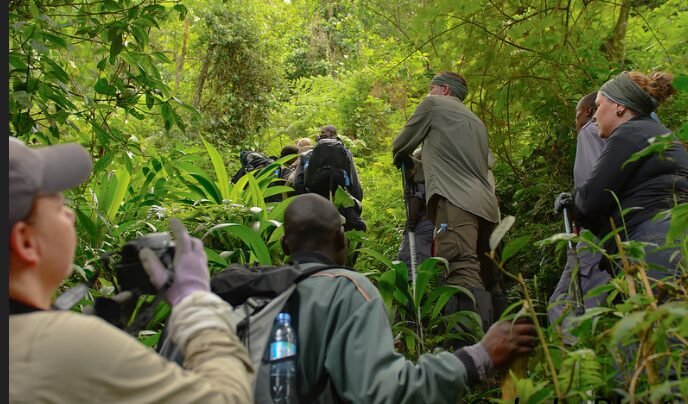
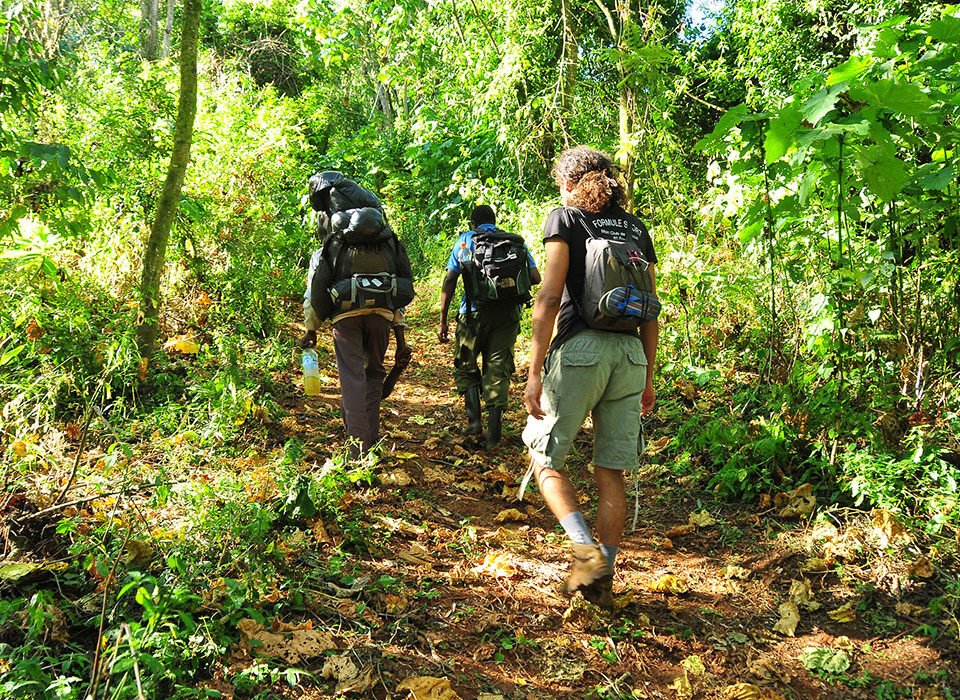
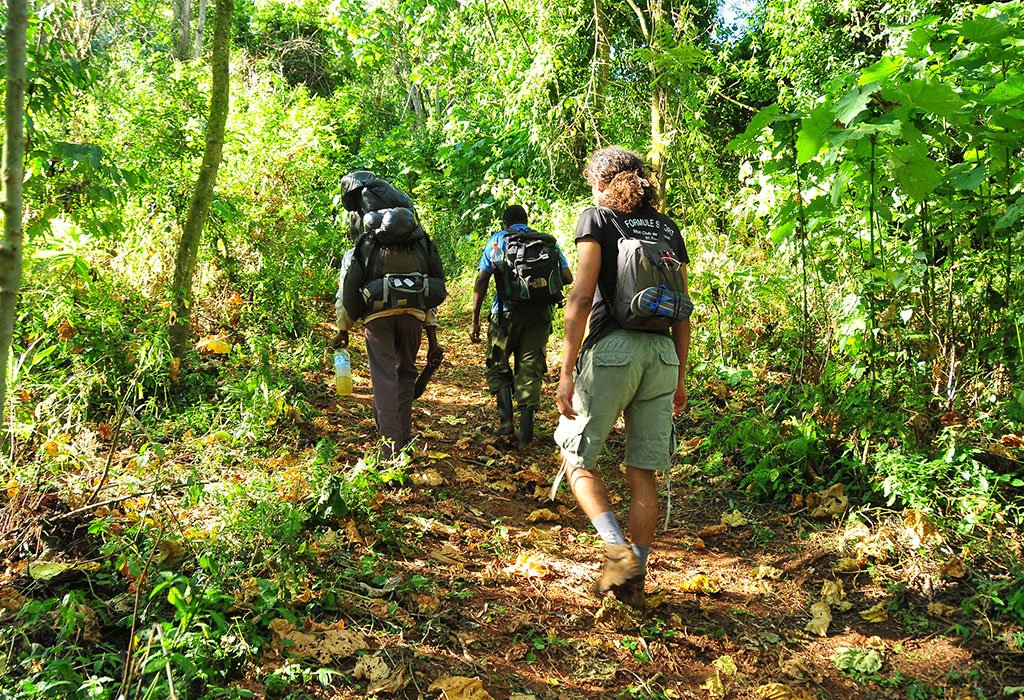
Helping staff (Potters) with clients
Meals generally range from $10–$30 per day depending on accommodation standards. Hiring a porter is highly recommended and typically costs $20 which is 70,000UGX. Porters not only carry bags but also provide physical assistance on challenging terrain.
Tips are optional but appreciated. Rangers, guides, lodge staff, and drivers all contribute significantly to the overall experience. Budgeting an additional $20–$50 per day for gratuities is common among international travelers.
Budget, Mid-Range, and Luxury Gorilla Safari Costs
The total cost of a Uganda gorilla trekking trip varies considerably depending on travel style. Recent travel estimates place a typical 3-day gorilla trekking experience within the following ranges.
| Travel Style | Estimated Cost Per Person |
| Budget | $1,100–$1,500 |
| Mid-Range | $1,500–$3,000 |
| Luxury | $3,000–$5,000+ |
Budget travelers often choose shared transportation, basic lodges, and shorter itineraries. Mid-range travelers enjoy better accommodations and more personalized service. Luxury travelers frequently include charter flights, premium lodges, private guides, and additional safari experiences.
Interestingly, many visitors find mid-range packages offer the best balance between comfort and value. Since the permit cost remains fixed regardless of travel style, upgrading accommodation often delivers the most noticeable improvement in experience.
Best Time to Save Money on Gorilla Trekking
Timing can significantly impact your travel costs. Uganda’s peak gorilla trekking seasons generally occur during the dry months when trekking conditions are easier and visitor demand increases. During these periods, permits and accommodation may sell out months in advance.
At Secret Paradise Adventure, we report discounted permit opportunities during low-season months such as April, May, and November, where foreign non-resident permit costs may be reduced from $800 to approximately $600 in certain promotional periods. Availability depends on Uganda Wildlife Authority policies and should always be confirmed before booking.
Low-season travel also brings accommodation discounts and fewer visitors on trekking routes. The forests may be wetter, but the scenery becomes even more vibrant and photographic opportunities often improve due to lush vegetation.
Travelers willing to accept occasional rain can save hundreds of dollars while still enjoying exceptional gorilla encounters.
Factors Affecting Gorilla Trekking Costs
Several variables influence your final budget. Group size is among the most important. Shared transportation and accommodation costs often reduce individual expenses substantially. Couples and small groups typically enjoy lower per-person costs than solo travelers.
Length of stay also matters. Some visitors choose quick 3-day gorilla trekking packages, while others combine gorilla trekking with wildlife safaris in parks like Queen Elizabeth National Park or chimpanzee tracking in Kibale National Park. Longer itineraries increase costs but provide richer experiences.
Accommodation standards create another major variable. A traveler staying in a simple guesthouse may spend less than $50 nightly, while someone choosing a luxury forest lodge could spend twenty times that amount.
Flight choices, travel insurance, visa fees, and optional cultural activities also contribute to overall spending. Building a detailed itinerary before booking helps ensure your budget aligns with expectations.
How to Book Gorilla Permits
Booking permits early is critical. Gorilla permits are limited and often sell out months in advance, particularly during peak seasons. Many experts recommend booking 6–10 months before your intended travel date to secure preferred trekking sectors and travel dates.
Travelers can book through licensed tour operators or authorized channels connected with the Uganda Wildlife Authority. Tour operators often simplify the process by combining permits, accommodation, transportation, and guides into a single package.
When comparing operators, focus on transparency, reviews, conservation commitments, and local expertise. The cheapest package is not always the best value. Reliable operators provide logistical support, emergency assistance, and detailed pre-trip guidance that can greatly enhance the experience.
Always verify exactly what is included in your package. Some advertised prices exclude accommodation, meals, or transportation, creating unexpected expenses later.
Is Uganda Gorilla Trekking Worth the Cost?
For many travelers, gorilla trekking ranks among the most memorable experiences of their entire lives. Unlike zoo visits or wildlife documentaries, gorilla trekking places you directly within the gorillas’ natural environment. The emotional impact of standing a few meters from a massive silverback or watching an infant gorilla play in the forest is difficult to describe adequately.
The cost may seem high at first glance, but much of that money supports conservation and local communities. Tourism revenue has played a critical role in protecting mountain gorillas and increasing their population numbers over recent decades. Every permit purchased contributes to this success story.
When viewed through that lens, gorilla trekking becomes more than a vacation activity. It becomes participation in one of the world’s most successful wildlife conservation efforts. Few travel experiences offer such a direct connection between visitor spending and species protection.
Conclusion
Uganda gorilla trekking costs vary depending on permits, accommodation, transportation, and travel style, but most visitors can expect to spend between $1,100 and $5,000 or more for a complete trip. The mandatory gorilla permit remains the largest expense, currently priced at approximately $800 for foreign non-residents. Additional costs include lodging, transport, meals, porters, and optional activities.
Despite the investment required, Uganda continues to provide outstanding value compared with many competing destinations. The combination of remarkable wildlife encounters, strong conservation impact, and flexible travel options makes gorilla trekking one of Africa’s most rewarding adventures.
For travelers seeking a once-in-a-lifetime wildlife experience, the cost of gorilla trekking is rarely what they remember afterward. What stays with them is the unforgettable moment when they lock eyes with a mountain gorilla in the heart of Uganda’s misty forests.
I Don’t Think You Know Us
At Secret Paradise Adventure, we believe every journey should feel personal, meaningful, and unforgettable. We’re not a big corporate travel company. We’re a local Ugandan team that grew from a genuine love for exploring our country and sharing its hidden beauty with others.
How It All Started
The story begins with Gerard, our co-founder. Long before Secret Paradise Safaris existed, Gerard spent his free time traveling across Uganda visiting national parks, meeting local communities, discovering quiet landscapes, and learning the stories behind each place. What started as a personal passion soon became something bigger. Friends and visitors would ask him to help plan trips because they trusted his knowledge, honesty, and enthusiasm.
Gerard realized that many travelers only saw the famous destinations while missing the authentic experiences that make Uganda special. He wanted to create a company that would connect people with the real Uganda—the hidden waterfalls, the warm communities, the wildlife, and the moments that stay with you long after the trip ends.
Why We Do What We Do
Secret Paradise Adventure was built on the idea that travel is about more than moving from one place to another. It’s about connection, discovery, and creating memories that matter. We work with local guides, support local communities, and design experiences that reflect the heart of Uganda.
Today, Gerard continues to lead with the same passion that started this journey. Every itinerary, every recommendation, and every adventure is shaped by years of firsthand experience and a deep love for our country.
Our Promise
When you travel with Secret Paradise Adventure, you’re not just booking a tour. You’re joining a team that truly cares about your experience and wants you to see Uganda through the eyes of people who call it home.
We may be a local company, but our mission is simple: to help travelers discover the secret paradise that inspired us in the first place.
Frequently Asked Questions
1. How much is a gorilla trekking permit in Uganda in 2026?
The standard permit costs approximately $800 for foreign non-residents, $700 for foreign residents, and UGX 300,000 for East African citizens.
2. What does the gorilla permit include?
The permit includes park entry, ranger guidance, tracking services, conservation fees, and one hour with a habituated gorilla family.
3. Is gorilla trekking cheaper in Uganda than Rwanda?
Yes. Uganda’s standard permit is generally significantly less expensive than Rwanda’s permit pricing, making Uganda a popular value-focused destination.
4. How early should I book a gorilla permit?
Booking at least 6–10 months in advance is recommended, especially for peak travel seasons.
5. Are there discounted gorilla permits in Uganda?
Certain low-season periods may offer discounted permit rates depending on Uganda Wildlife Authority policies and availability. Travelers should verify current offers before booking.